
What's the Environmental Impact of Buying Used Commercial Equipment?
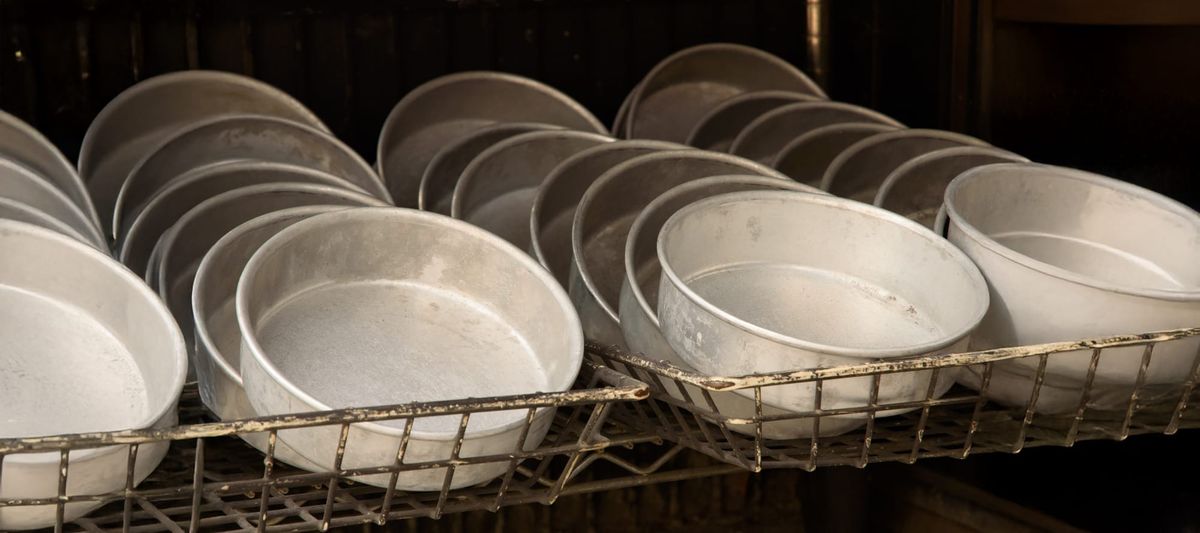
Buying used commercial equipment at auction is better for the environment than buying new. Most buyers already know this in a general sense. What's harder to picture is what that actually means for the specific items you're bidding on — a commercial oven, a walk-in cooler, a forklift, a set of office chairs.
This post is for buyers who want to go beyond the general case and think practically about where their purchases make the most environmental difference. Not every category carries the same weight, and understanding that helps you make smarter decisions for your business and the planet.
Why Does the Category Matter?
Not every purchase has the same environmental upside. A used commercial freezer that would have otherwise been scrapped is a very different decision from a used desk chair. Both are better than buying new, but the scale of impact is pretty different.
The simple way to think about it: the bigger, heavier, and more complex a piece of equipment is, the more went into making it. More steel, more components, more factory time. When that item gets a second life instead of heading to a landfill or a scrap yard, more is being saved. That's why we've broken down the categories below; so you know where your purchasing decisions carry the most weight.
Which Categories Have the Highest Environmental Impact?
Commercial Refrigeration Walk-in coolers, reach-in refrigerators, freezers, and refrigerated display cases are among the highest-impact items to buy used rather than new. They combine heavy steel and aluminum construction with compressors, copper refrigerant lines, and insulation materials that are energy-intensive to produce. Refrigerant recovery alone during decommissioning is an environmental event — when you buy and reuse a functioning refrigeration unit, you're preventing that event from happening prematurely. Commercial refrigeration units are also built for long service lives, so a well-maintained used unit can operate reliably for years to come.
Commercial Kitchen Equipment Commercial ovens, ranges, fryers, steamers, and dishwashers are heavy-gauge stainless steel appliances with complex burner assemblies, motors, and controls. Manufacturing a single commercial oven involves significant energy and material inputs. These items are also designed for continuous use in demanding environments, which means a used unit from a closed restaurant or hotel kitchen often has substantial service life remaining. Buying a Hobart mixer or a Southbend range at auction rather than purchasing new keeps that embodied manufacturing investment in service rather than in a scrap pile.
Material Handling Equipment Forklifts, pallet jacks, scissor lifts, and dock equipment are among the most material-intensive items that pass through commercial auctions. A forklift contains hundreds of pounds of steel, a battery or engine system, hydraulic components, and specialized tires. The manufacturing footprint is substantial. Used forklifts from warehouse and distribution center liquidations are common at auction, and buying one rather than a new unit is one of the higher-impact environmental choices a buyer can make.
Commercial Laundry Equipment Industrial washers and dryers from hotels, laundromats, and healthcare facilities are heavy, motor-driven machines with long designed service lives. Brands like Speed Queen, Wascomat, and UniMac build commercial units to run tens of thousands of cycles. A used commercial washer that has plenty of operating life remaining is a meaningful avoided manufacturing event when purchased instead of new.
HVAC and Mechanical Equipment Rooftop units, exhaust systems, air handlers, and commercial water heaters contain copper, aluminum, steel, and refrigerants in meaningful quantities. This category is less common in general commercial auctions but appears regularly in industrial and facility liquidations. When it does, the environmental case for buying used is strong.
Office Furniture and Fixtures At the other end of the scale, office desks, chairs, shelving, and display fixtures are lighter and simpler to manufacture. The environmental case for buying used is still real, (particularly at volume), but lower per-unit than heavy equipment. Where this category adds up is in quantity. Outfitting an entire office with used workstations and chairs rather than new ones represents a meaningful combined impact, even if any single chair is a small decision.


How Should Buyers Think About This Practically?
You don't need to run a formal lifecycle analysis to make better decisions. A few practical questions help frame any purchase:
How heavy and complex is it? More steel, more motors, more components generally means more embodied energy. The heavier and more mechanically complex the item, the more environmental leverage you get from buying used.
How long is its remaining service life? A used commercial oven with ten years of service life ahead of it is a much better environmental choice than one that needs immediate major repair. Auction listings with brand names, model numbers, and condition notes give you the information to estimate this.
What would the alternative be? If the alternative to buying used at auction is purchasing new, the environmental benefit is at its highest. If you would otherwise have gone without the item entirely, the calculus is different. For most commercial buyers replacing or upgrading equipment, new is the realistic alternative, which makes the auction purchase clearly favorable.
Does the item contain refrigerant? Refrigerant handling is a regulated environmental issue. When you buy a functioning refrigeration unit at auction rather than a new one, you're extending the life of a sealed system and deferring the refrigerant management question. This is a specific environmental benefit worth noting for restaurant, grocery, and hospitality buyers in particular.

The Volume Effect
Individual purchase decisions compound. A restaurant operator who furnishes a new location entirely with auction equipment, a retailer who outfits a store with used fixtures, or a warehouse operator who stocks used forklifts and racking rather than buying new is making a series of individual decisions that add up to a genuinely meaningful environmental difference.
This is worth keeping in mind as a buying strategy, not just a feel-good consideration. Businesses that systematically source used equipment through auctions are participating in what's often called the circular economy — keeping products and materials in productive use rather than returning them to raw material streams prematurely. April is a good time to think about making that a habit, not just a one-time choice.
Where to Find Used Commercial Equipment at Auction
Grafe Auction runs online auctions year-round across food service, hospitality, retail, industrial, and corporate office categories. Every item starts at ten cents with no reserve, which means the market sets the price and buyers across the country compete on equal footing.
Browse upcoming auctions at grafeauction.com to see what's available, or sign up for alerts in the categories most relevant to your business.