
What Does Grafe Auction Need to List Your Equipment for Auction?
Less than most sellers expect. Grafe Auction handles photography, descriptions, marketing, and buyer outreach. What we need from you is access, information about your timeline, titles for any vehicles or titled equipment, and a clear understanding of what stays and what goes. That's the short version.
This post walks through each piece in detail so you know exactly what to prepare, what to hand off, and what you don't need to worry about.
Do You Need to Provide an Equipment List Before the Site Visit?
No. You do not need to produce a formal inventory or asset list before the process begins. Grafe Auction's cataloging team creates the full inventory on-site during the cataloging phase, which typically happens in the first week after the contract is signed.
If you have an existing equipment list, an old appraisal, or a spreadsheet of assets, share it. That information can help our team plan the scope of the project and flag high-value items before we arrive. But it is not a requirement, and you should not delay reaching out because you don't have one ready.
The first step is a site visit, not paperwork.
What Happens During the Initial Site Visit?
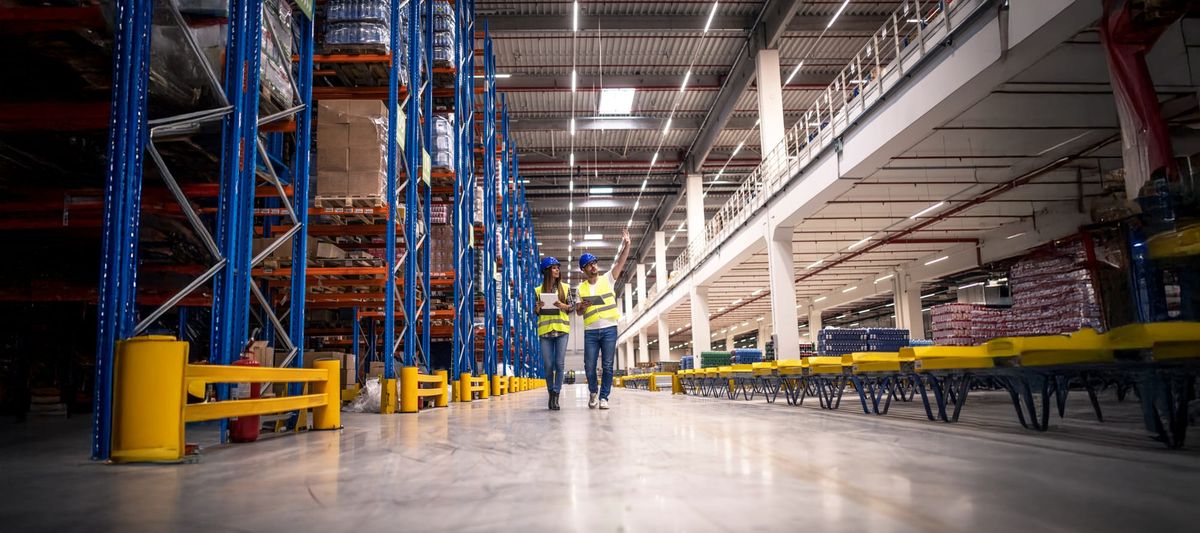
The process starts with an on-site assessment. A member of the Grafe Auction team visits your facility to walk the space, evaluate the scope of assets, understand your timeline, and discuss logistics. This visit is how we determine what the auction structure should look like and what timeline is realistic given your constraints.
You don't need to have anything prepared for this visit beyond access to the space. The goal is a conversation, not a presentation. Come with your questions and your timeline in mind.
Following the site visit, Grafe Auction will put together a proposal. Once both parties agree on terms and sign a contract, the four-week auction process begins.

Do You Need to Take Photos or Write Descriptions?
No. Grafe Auction handles all photography and lot descriptions. Our cataloging team arrives on-site fully equipped to document every item. Each lot is tagged, photographed from multiple angles, and described with relevant details including brand, model number, condition, and specifications where available.
Photos are uploaded directly to the auction platform through our cataloging app. Descriptions are written to give online bidders the clearest possible picture of what they're bidding on, since most buyers will never see the equipment in person before bidding.
This is one of the areas where working with a professional auction company makes the biggest difference. Detailed, accurate cataloging drives competitive bidding. It protects sellers by setting accurate expectations and protects buyers by giving them the information they need to bid with confidence.
What Documentation Is Required for Vehicles and Titled Equipment?
This is one area where sellers do need to take action before the auction closes. Any equipment that carries a title, including vehicles, trailers, forklifts, or other titled assets, requires clear title documentation to transfer ownership to the buyer.
Before your auction goes live, locate titles for all titled equipment and confirm they are in your name and free of liens. If a title is missing, start the replacement process as early as possible. Title issues are one of the most common causes of post-auction complications, and they are much easier to resolve before the auction than after a buyer has won the lot.
If you are unsure whether a piece of equipment carries a title in your state, ask during the site visit. The Grafe Auction team can help you identify what documentation will be needed.


What Should You Do Before the Cataloging Team Arrives?
A few things make the cataloging process faster and produce better results for you as the seller.
- Remove anything you are keeping. The cataloging team will document and photograph what is in the space. If personal items, equipment you plan to keep, or items belonging to a third party are mixed in with the auction inventory, they can end up in the catalog by mistake. Before the team arrives, remove or clearly segregate anything that is not going to sell.
- Make the space accessible. The team needs to move through the entire facility and access all areas where equipment is located. Locked rooms, blocked aisles, and areas with restricted access slow down the process. Walk through the space before cataloging day and make sure everything is reachable.
- Flag anything with special circumstances. If a piece of equipment is non-functional, has a known issue, or requires special handling during removal, tell the cataloging team before they document it. That information will be included in the lot description, which protects you from buyer disputes and helps set accurate bidder expectations.
- Know what's staying. If a landlord has a claim on certain fixtures, if some equipment is leased rather than owned, or if anything in the space is not yours to sell, identify those items clearly before cataloging begins. Selling equipment you don't have the right to sell creates serious legal and financial exposure.
What About Liens or UCC Filings on Your Equipment?
If you have outstanding loans or financing tied to any of your equipment, those liens need to be addressed before the auction. A UCC filing, which stands for Uniform Commercial Code, is a legal notice that a lender has a security interest in specific assets. Equipment with an active lien cannot simply be sold at auction without addressing the creditor's claim.
This is not a reason to avoid the auction process. It is a reason to review your outstanding obligations early. Grafe Auction can work with lenders and in situations involving SBA loans or other secured financing. The key is surfacing these issues before the contract is signed, not after the auction closes.
If you are unsure whether any of your equipment has a lien against it, a quick review of your loan agreements and any UCC filings in your state's public records will give you a clear picture.


How Much Facility Access Does Grafe Auction Need?
Grafe Auction needs access to the facility during two phases: the cataloging period, which typically spans a few days to a week in the first week after contract signing, and the removal period, which follows the auction close and typically runs several days depending on the size of the sale.
During cataloging, our team will be on-site working through the inventory. You do not need to be present the entire time, but a point of contact who can answer questions and grant access to any secured areas should be available.
During the removal period, buyers will arrive to collect their items. You or a designated representative should be available to coordinate access, though Grafe Auction manages the on-site removal process.
If your facility has specific access restrictions, security protocols, or hours of operation that will affect either phase, share those details during the site visit so the timeline can be planned accordingly.
What Does Grafe Auction Handle From Here?
Once the contract is signed and cataloging is complete, Grafe Auction manages the rest of the process.
That includes building the auction event page, running targeted digital marketing campaigns, notifying relevant buyers from our registered bidder base of over 289,000, managing the live auction, processing all buyer payments, and coordinating the removal window. Sellers receive a detailed settlement statement and payment after the removal period closes.
You do not need to manage buyer inquiries, coordinate pickup logistics, or handle payment processing. That is all on our side.
Seller Preparation Checklist
What to prepare before your Grafe Auction site visit and cataloging day
Before the Site Visit
Before Cataloging Day
What Grafe Auction Handles — No Action Required From You
You do not need a formal equipment list, photos, or descriptions to get started. The first step is a site visit — reach out to the Grafe Auction team at grafeauction.com to schedule yours.
What Is the First Step?
Reach out to the Grafe Auction team. The conversation starts with a site visit, and the site visit starts with a phone call or email. Most sellers find the process significantly more straightforward than they expected once they understand what Grafe Auction handles end to end.
If you have a hard deadline driven by a lease, a loan, or a facility transition, share that upfront. We build the timeline around your constraints, not a standard schedule.
Contact Grafe Auction at grafeauction.com to schedule your site visit.