
Industry Focus: The Value of Used Gym Equipment
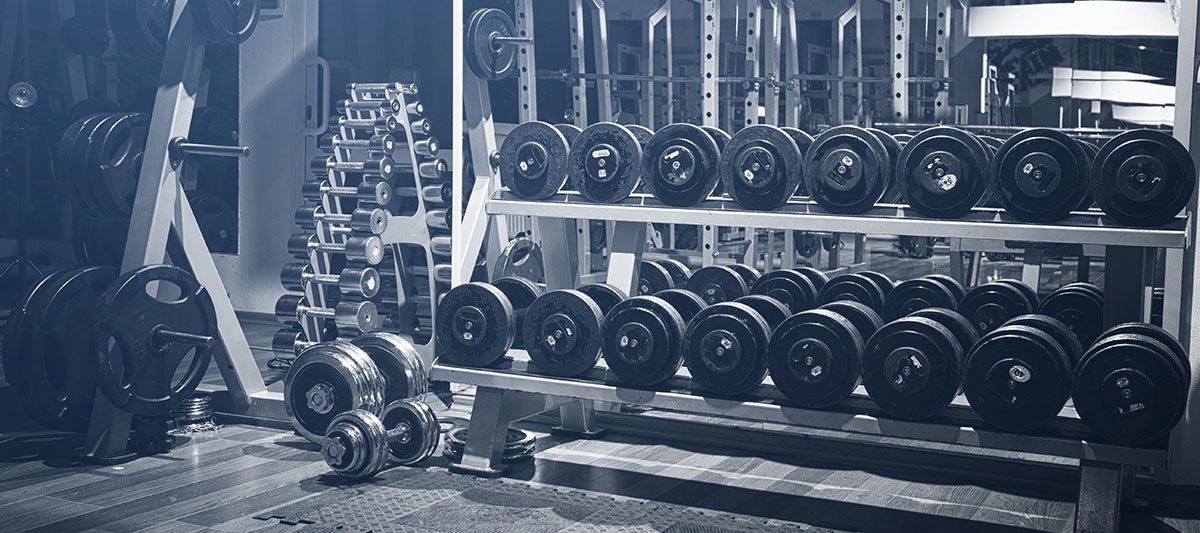
The fitness industry continues to thrive, with gym memberships and equipment sales reaching all-time highs. This creates a bustling secondary market for quality used gym equipment – offering tremendous value to buyers and sellers alike.
For gym operators managing a closure and for resellers looking for volume inventory, the used equipment market creates opportunities on both sides of the transaction. Online auctions help sellers move commercial exercise equipment efficiently, while buyers can source anything from individual machines to bulk lots from a single sale.
For gyms with a large volume of treadmills, strength machines, free weights, flooring, and accessories, online auctions are often the most efficient option because they help organize inventory, attract buyers, collect payment, and coordinate removal.
Our recent analysis of sales reports for five auctions Grafe Auction conducted reveals in-depth insights into the pre-owned gym equipment space. Let’s explore the major trends, top-selling assets, and how auctions unlock full value in this market.
Top Trends in the Used Gym Equipment Marketplace
After reviewing auction data from over 20,000 lots of fitness gear, four key trends emerged around the most in-demand assets:
1. Strength Training Dominates Demand
From squat racks to Olympic barbells, strength training equipment is wildly popular at auction. Full power cages, long Olympic bars, heavy bench presses, and hardcore dumbbells consistently notch top sale prices across the board.
Bidders are eagerly acquiring robust commercial-grade strength gear to outfit their gyms or home workouts. The market reflects this demand – 100lb+ dumbbell sets move quickly for the $1,000 to $1,600 range. Complete bumper plate weight sets also trade hands at a premium.
This trend matches the broader fitness industry’s embrace of strength training. As workout routines become more specialized, bidders seek specific gear to meet their goals. Used equipment provides affordable access to pro-quality kit.
2. Cardio Machines Keep Pace
Classic cardio options like treadmills and ellipticals remain in high demand. Late model Precor and Matrix machines sold for healthy $300 - $400 price points, despite being used. Though not equipped with the latest tech, these OEM (original equipment manufacturer) workhorses provide proven performance.
Rowing machines also moved well, trading between $700 - $750 in auction. As cardio equipment becomes more digitized, older models still hold appeal for their simple operation. When maintenance logs show care, used cardio gear brings strong value.
3. Multi-Station Gyms Multiply Opportunities
Cable-based multi-gyms enable diverse training capabilities in a single footprint. These versatile assets consistently notch top sale prices. A Matrix 8-stack unit moved for $7,000 – evidence buyers will pay up for commercial-grade stations.
Between their broad utility and hefty OEM price tags, multi-station gyms carry significant used value. Floor space is at a premium for most gyms, making consolidated cable units even more attractive. These turnkey systems leap to the top of bidding wars.
4. Accessories Equate To Big Opportunity
It’s easy to overlook fitness accessories and smaller items. However, bulk lots of bands, foam rollers, slam balls, clips, and more find eager buyers. Though inexpensive individually, these smaller mixed lots can appeal to resellers, who often source inventory in volume and separate it into smaller resale opportunities. Their portability also appeals to at-home gym owners and private trainers.
This diversified category saw rubber flooring sell in the $300 - $500 range for large coverage areas. Lesson learned: the right accessories can add up to real value.
What Affects the Value of Gym Equipment in a Closure Sale?
When a gym or fitness center closes, the value of its equipment is influenced by more than just the type of machine being sold. Buyers look at the full picture, from condition and brand quality to logistics and timing.
If you’re looking to sell used gym equipment, understanding fair market value involves nine key considerations:
1. Condition Counts Most
An item’s condition drives pricing more than any other factor. Equipment in excellent shape with documented maintenance logs will fetch substantially higher sale prices versus poor condition models. Bidders will eagerly pay up for assets still close to commercial OEM grade.
2. Premium Brands Translate To Premium Pricing
Established brands like Precor, Rogue, Matrix, Cybex, and others command significant used value. Bidders gravitate towards commercial-grade equipment from leading manufacturers, even if used. Lesser-known brands trade at considerably lower price points.
3. Newer Models Trump Older Options
While still valuable, older equipment models ultimately go for less than newer iterations with up-to-date tech. However, classics maintain appeal for their plug-and-play simplicity compared to digitally enhanced offerings. Condition is still paramount in valuing older pieces.
4. Local Market Conditions Matter
Geography plays a role in pricing. If certain equipment is scarce locally, values may index higher as buyer competition increases. Conversely, some markets are awash in specific assets, depressing valuations. Understanding your regional conditions provides perspective.
5. Quantity of Assets Available
The number of assets in a sale can also affect value. A larger closure sale may attract more attention because buyers can source multiple pieces from one location, while smaller sales may appeal to niche buyers looking for specific items.
6. Whether Assets Are Sold Individually or in Bulk Lots
How equipment is grouped matters. Individual pieces may bring stronger pricing when there is high demand for a specific machine, while bulk lots can create value by helping buyers, resellers, or refurbishers purchase more inventory efficiently in a single transaction.
7. Ease of Removal
Logistics play a real role in what buyers are willing to pay. Equipment located on a ground floor, near loading access, or in a facility with straightforward removal conditions may bring stronger interest than assets that require difficult disassembly, tight scheduling, or complicated moving arrangements.
8. Timing and Facility Deadlines
Timing also influences value in a closure sale. If a facility has a strict deadline to vacate the space, sellers may need a fast, organized sales process. Buyers also pay attention to removal windows, especially when coordinating transportation, labor, and storage.
9. The Used Market Adapts Over Time
Valuations fluctuate over the years as fitness trends change. While strength gear remains in perpetual high demand, niche categories go in and out of vogue. What’s hot now may not sustain the same value forever. Consider long-term appeal when purchasing used equipment.
Top-Selling Used Gym Equipment Assets
Now let’s spotlight top-selling used gym equipment across thousands of auction lots:
- Rogue Monster Lite Multi Gym Power Rack – Sold for $850
- Matrix 8-Stack Multi Cable Station – Hit $7,000 sale price
- Precor Commercial Treadmills – Consistently sold in the $300 - $400 range
- Heavy Dumbbell Sets (100lbs+) – Routinely sold between $1000 - $1600
- Hammer Strength Plate Loaded Machines – Leg press unit sold for $2,200
- Assorted Bulk Lots of Bands, Balls, Mats – Surprisingly valuable niche
- Rubber Gym Flooring – Large sections went for $300 - $500+
This list provides tangible examples of the most coveted used gym gear by asset category. But it merely skims the surface of broader market demand. There are gems to uncover across all equipment types, sizes, and price points.
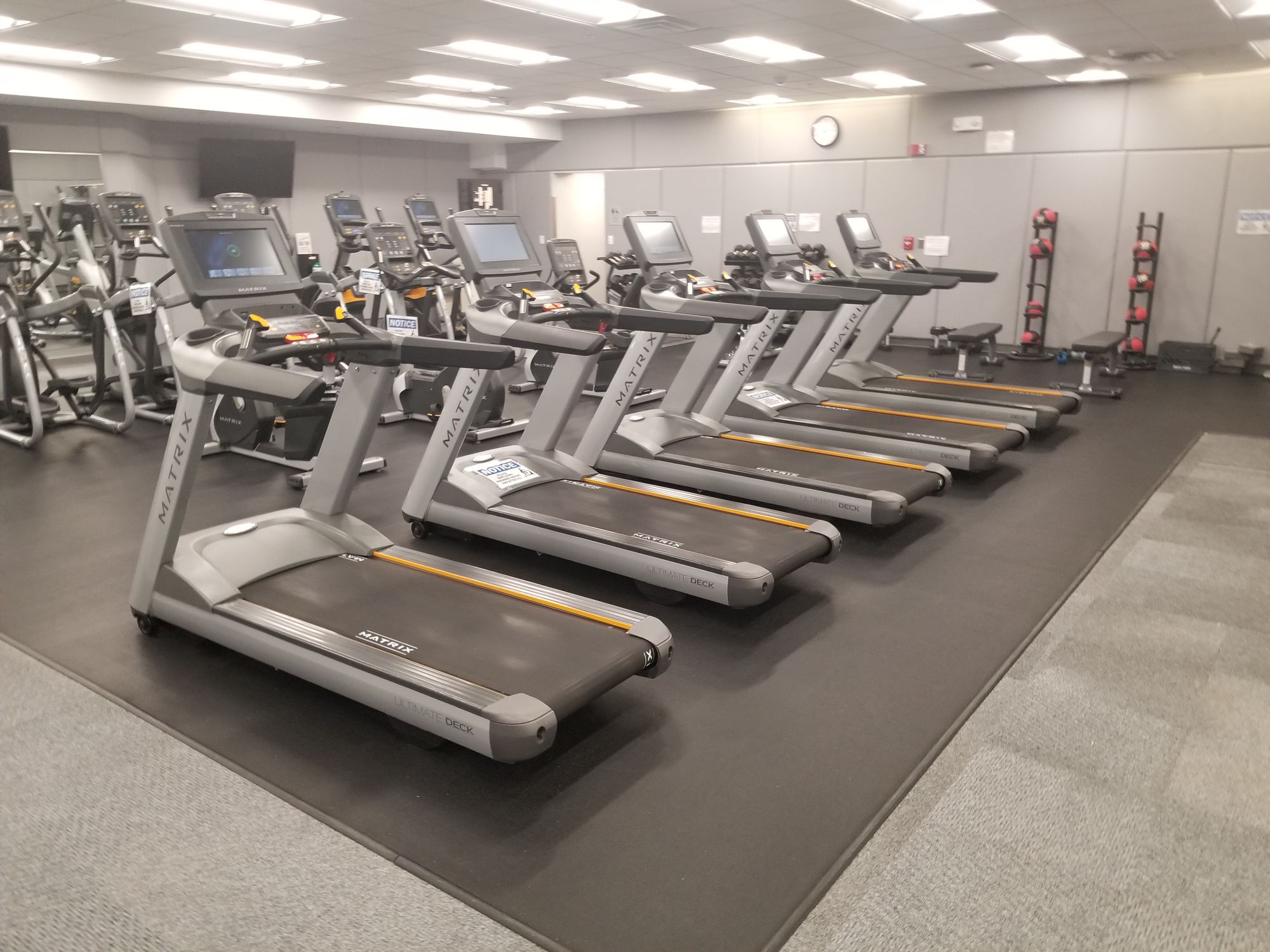
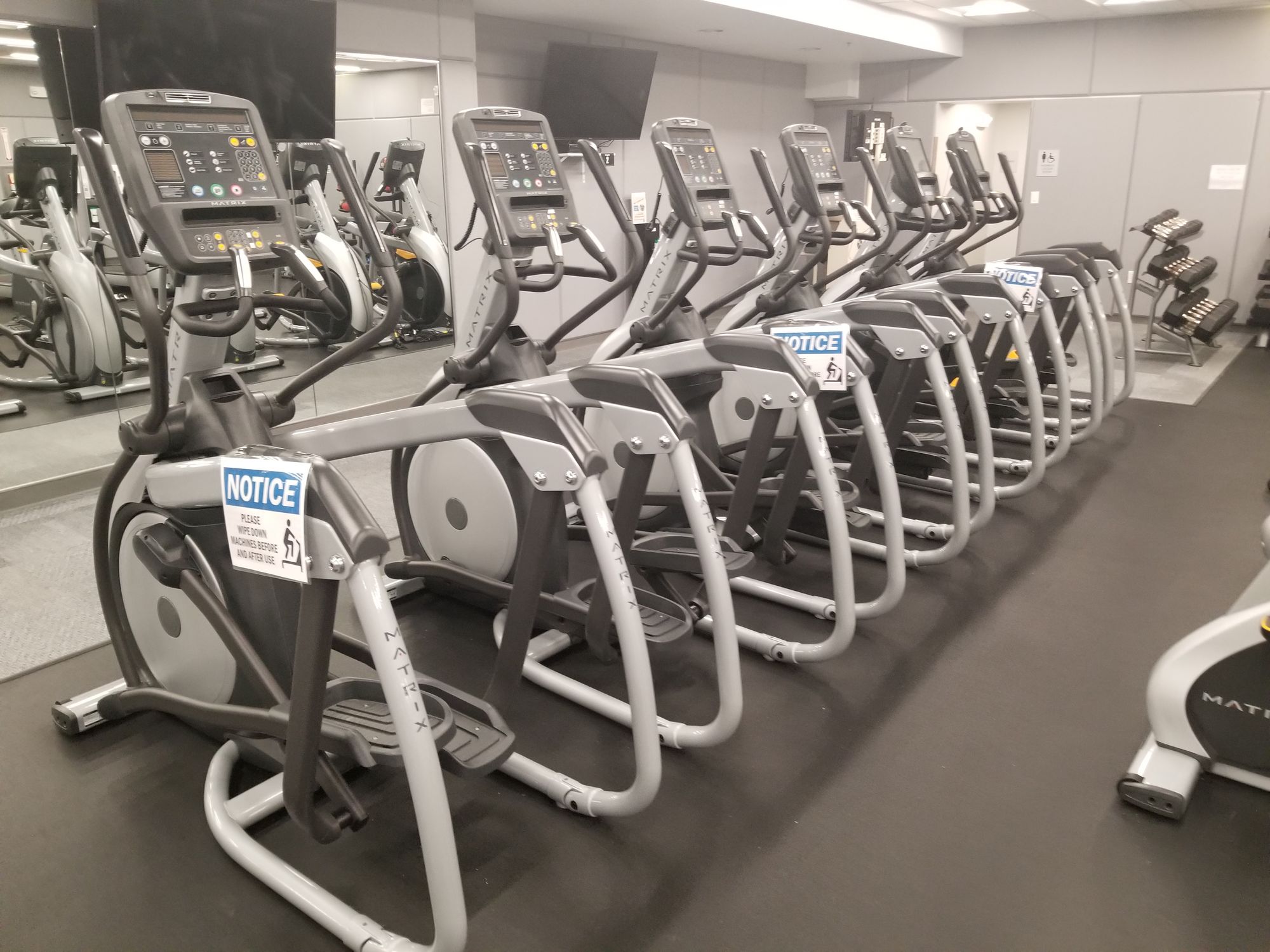
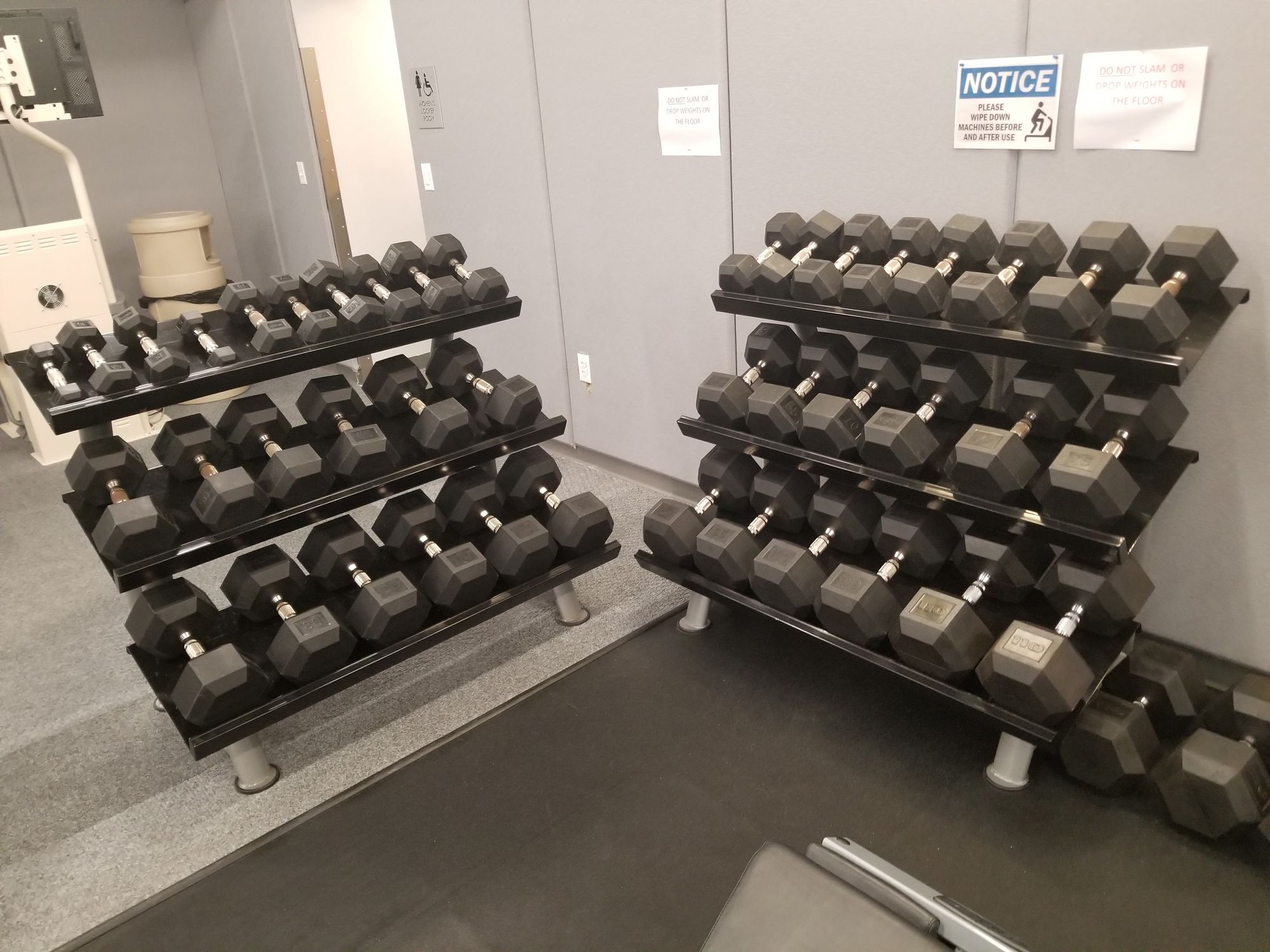
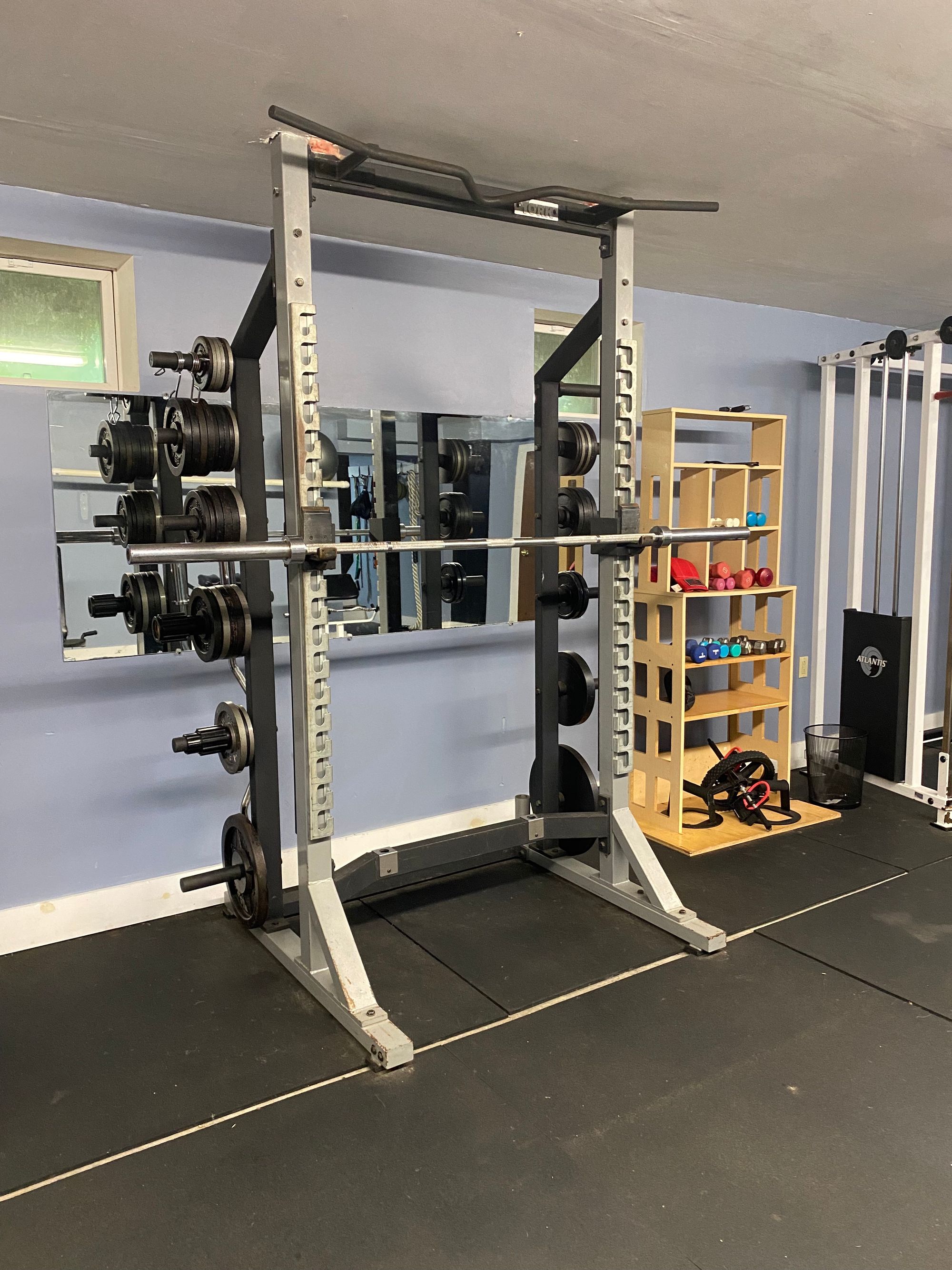
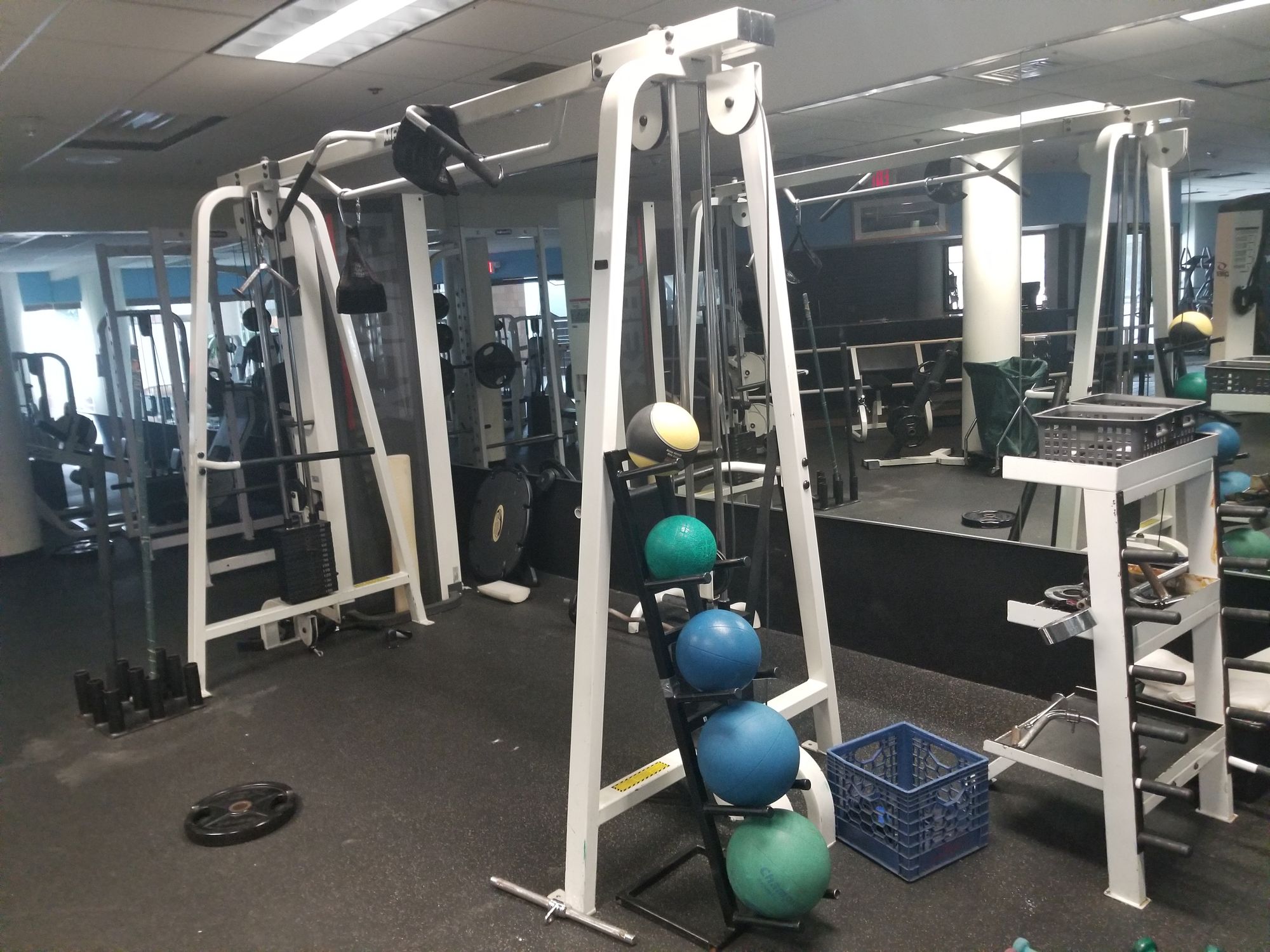
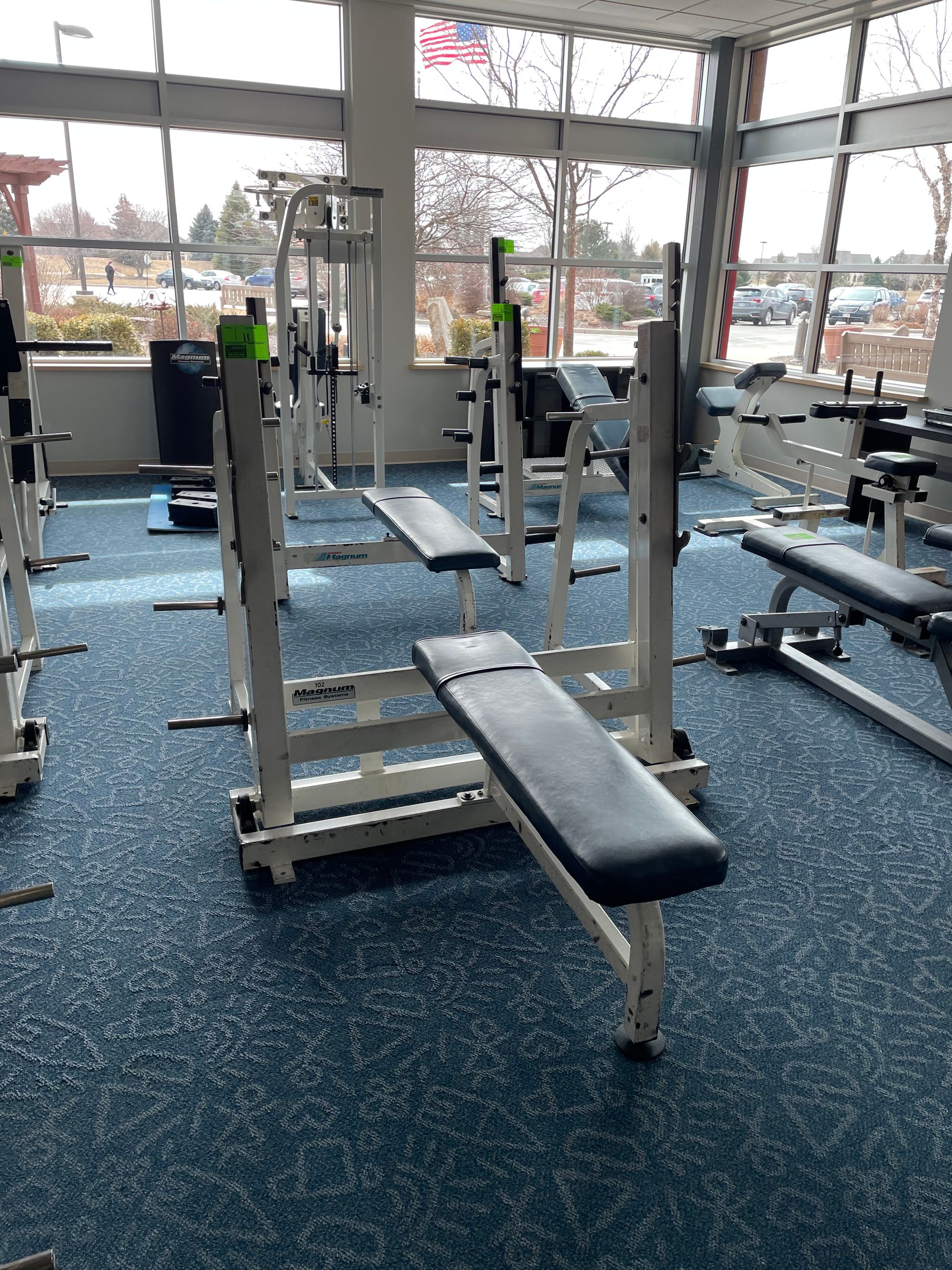
Photos of fitness centers that Grafe Auction worked with.
Unlocking Full Value Through Auctions
When a gym closes, relocates, or reduces surplus inventory, selling used gym equipment through a live, online-bidding auction process allows sellers to reach a broad buyer pool and move assets efficiently. The same marketplace also gives resellers and other buyers a practical place to source individual assets or bulk lots through a transparent process.
Robust pre-auction marketing and strategic auction management ensure high participation and competitive bidding energy. This directly translates to achieving full market value on deals. Auction data analysis provides pricing visibility to optimize returns.
As used fitness equipment experts, we stay on the pulse of this specialized marketplace from both the buyer and seller side. Our auction platform efficiently connects buyers and sellers across geographic regions to exchange assets at fair prices.
In most cases, used gym equipment values are strongest when quality assets are well-presented, grouped strategically, and sold through a process that gives buyers clear information and enough time to participate confidently.
How Fitness Centers Sell Commercial Exercise Equipment After Closing
When a fitness center closes, relocates, or reduces surplus assets, selling commercial exercise equipment usually works best through a structured process rather than trying to sell items one by one. A managed online auction helps organize the sale, attract qualified buyers, and move assets efficiently.
In most cases, the process looks something like this:
1. Inventory the Equipment
The first step is identifying everything that will be included in the sale. That often means creating a full inventory of cardio machines, strength equipment, free weights, flooring, accessories, storage pieces, and any other transferable fitness assets in the facility.
2. Group Assets by Category or Lot
Once the inventory is complete, the equipment is grouped in a way that makes sense for buyers. High-demand machines may be sold individually, while smaller accessories or similar items may be combined into bulk lots. This helps balance buyer interest, bidding activity, and overall sale efficiency.
3. Assess Condition and Note Brands and Models
Each asset should be reviewed for overall condition, visible wear, functionality, and identifying details such as manufacturer, model, and key specifications. Commercial buyers often pay close attention to recognized brands, service history, and whether equipment appears ready for continued use.
4. Photograph and Catalog the Assets
Clear photos and accurate descriptions are essential. Each lot is typically cataloged with relevant details so buyers can understand what they are bidding on, compare equipment, and evaluate value before the auction begins.
5. Market the Auction to Buyers and Resellers
Once the catalog is built, the sale is marketed to the right audience. That can include gym operators, personal trainers, equipment resellers, refurbishers, and other buyers actively looking for used commercial fitness equipment. Strong marketing helps increase visibility and participation.
6. Run the Sale
During the auction itself, buyers place bids through the online platform within the scheduled sale window. Competitive bidding helps establish market-driven pricing, while the structured process gives buyers a fair opportunity to participate from different locations.
7. Collect Payment
After the auction closes, winning bidders complete payment according to the auction terms. This creates a clear process for finalizing the transaction and preparing purchased assets for pickup.
8. Schedule Removal and Facility Cleanout
The last step is coordinating removal. Buyers are assigned pickup times or removal windows so equipment can be collected in an organized way. For sellers facing lease deadlines, building turnover, or facility closure schedules, this step is especially important to keep the cleanout moving efficiently.
For operators trying to move cardio machines, strength equipment, flooring, and accessories efficiently, that process can be faster and more organized than selling items one at a time.
Other options for selling commercial gym equipment after a closure include direct private sales (works for a few items but is slower and more manual), equipment resellers (faster but often lower recovery), and brokers/liquidators (useful for full closure, but process and pricing vary).
Learn more:
- The Essential Checklist for Selling Used Exercise Equipment
- Where to Sell Used Fitness Equipment: Strategic Options for Every Quantity
Where Resellers Source Bulk Lots of Used Business Equipment
Resellers often source bulk lots of used business equipment through online auctions tied to business closures, remodels, relocations, and surplus inventory reduction.
In the fitness world, those auctions can include mixed lots of cardio equipment, strength machines, free weights, flooring, and accessories, giving buyers a more efficient way to purchase inventory in volume from a single event. That bulk-lot structure is one reason auctions continue to attract resellers alongside gyms, trainers, and end users.
Learn more:
- From Barbells to Smart Bikes: Navigating the Used Gym Equipment Market
- The Evolving Landscape of Used Gym Equipment Auctions: 2024 Market Insights
Looking to Buy or Sell Used Gym Equipment?
Does your fitness business have a closure, facility transition, or surplus assets to sell? Or are you a reseller or gym operator looking for quality pre-owned equipment and bulk buying opportunities? Our auction services can help on both fronts.
We flex our muscles so you can flex yours. Contact us today to discuss achieving your used gym equipment goals through our proven auction process!