
Business Liquidation Services for Equipment, Inventory, Fixtures and Commercial Assets

Business Liquidations Made Simple: The Grafe Auction Advantage
When it is time to close a business, reduce locations, sell surplus assets, or move out of a commercial facility, the liquidation process needs to be handled with speed and a strategy built around recovery. Grafe Auction provides business liquidation services through professional auctions that help sellers turn equipment, inventory, fixtures, furniture, and other commercial assets into timely, market-driven results.
Since 1959, Grafe Auction has helped businesses across the country manage auctions for a wide range of commercial assets. We work with small businesses, multi-location operations, lenders, landlords, and companies facing time-sensitive transitions. Whether the project involves a full facility closure, a partial liquidation, or a phased multi-location sale, our team builds an auction plan designed around your goals, timeline, and asset mix.
Our auction-focused approach is built to support business owners and stakeholders who need a practical path forward. From planning and asset review through marketing, sale execution, reporting, and closeout, Grafe Auction helps clients move from uncertainty to action with a process designed for transparency, reach, and recovery.

Why Choose Grafe Auction?
At Grafe Auction, we understand that liquidating a business can be a stressful and emotional process. That's why we strive to make the process as smooth and hassle-free as possible for our clients. Each year, we conduct hundreds of auctions nationwide and handle them for all types of businesses, including:
- Grocery stores and supermarkets
- Restaurants and bakeries
- Retail stores
- Hardware stores
- Woodworking facilities
- Metalworking facilities
- Distribution centers
- Fitness centers
- Corporate offices
- Boutiques
When you work with Grafe Auction, you can rest assured that you're in good hands. Our team of experienced professionals will work closely with you to understand your unique needs and goals, and develop a customized liquidation plan that maximizes the value of your business equipment. Learn more about why to sell with Grafe here.
What Business Liquidation Services Include
A successful liquidation requires planning, organization, marketing, buyer outreach, and a structured sale process that aligns with the seller’s timeline and business goals. At Grafe Auction, our work begins by understanding what needs to be sold, how quickly the project must move, and what type of auction strategy will best support the outcome.
Our business liquidation services may include reviewing the scope of the project, identifying which assets should be sold, organizing equipment and inventory into a marketable sale plan, and building an auction timeline around deadlines such as lease exits, closures, lender requirements, or operational transitions. This can apply to full business closures, partial liquidations, surplus asset sales, and multi-location projects.
From there, Grafe Auction manages the details that help turn assets into recovery. That can include cataloging and describing assets, preparing the sale for market, promoting it to relevant buyers, managing auction activity, coordinating payment workflows, and supporting post-sale reporting and closeout. The goal is to create an organized, auction-driven liquidation process that helps sellers move assets efficiently while reaching the right audience.
 Grafe Auction
When Businesses Use Liquidation Services
Auctions can be an effective solution when owners need to reduce overhead, move out of a facility, sell selected assets, or complete a time-sensitive transition. In many cases, the need is not simply to sell equipment, but to do so in a way that fits a clear timeline and produces transparent results.
Common triggers include full business closures, store shutdowns, downsizing, ownership changes, relocation, excess inventory reduction, and facility decommissioning. Companies may also use liquidation services when they are restructuring operations, consolidating locations, exiting a lease, or replacing older equipment with newer assets. In these situations, an auction can provide a defined sale process with broad buyer exposure and a firm path to resolution.
Liquidation services are also used in more complex scenarios involving distressed assets, lender interests, or time-sensitive recoveries. Whether the goal is to liquidate an entire operation or only a portion of it, the right auction plan can help support a more efficient transition.


Overwhelmed? Check out our 8-step liquidation checklist to help simplify things.
Assets Commonly Included in a Business Liquidation
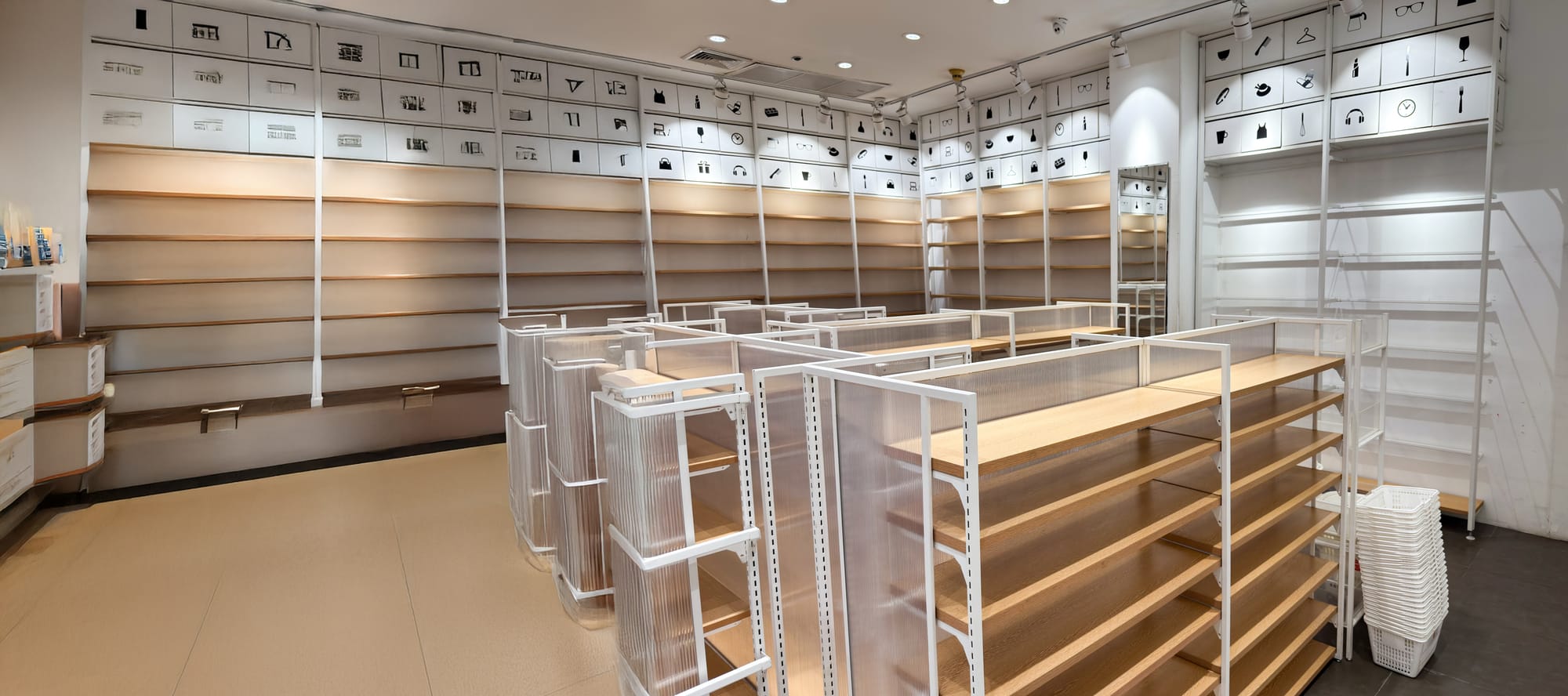
Commonly liquidated assets include furniture, fixtures, and equipment, often referred to as FF&E. This can include store fixtures, shelving, counters, displays, checkout equipment, office furniture, desks, cubicles, conference room furnishings, and related commercial furnishings. Liquidations may also include inventory and surplus stock, particularly in retail, grocery, and food service environments.
Grafe Auction also handles many categories of operating equipment and commercial assets, such as restaurant equipment, bakery equipment, supermarket and grocery store equipment, warehouse equipment, forklifts, racking, conveyors, material handling systems, industrial machinery, manufacturing assets, fitness equipment, and specialty business equipment. In some cases, commercial real estate may also be part of a broader liquidation strategy.
Why Businesses Choose Auctions for Liquidation
Auctions create a defined process with broad buyer exposure and market-driven pricing. Rather than relying on one buyer, one negotiation, or a slow private-sale approach, an auction creates competition and establishes a clear timeline for the sale.
For many businesses, this means greater efficiency and less uncertainty. Auctions can help sellers reach a wider audience, move assets on a known schedule, and create transparent results backed by the market. That can be especially valuable when a business must vacate a facility, close by a certain date, reduce locations, or convert surplus assets into recovery.
Read our guide on how to choose the right auction company for your business liquidation.
The Benefits of Business Liquidation Auctions
There are many benefits to liquidating your business equipment at auction, including:
- Maximizing Value: By selling your equipment at auction, you can often get a higher price than you would through a private sale. This is because auctions create competition among buyers, driving up the final sale price. For institutional stakeholders, our process is specifically engineered to meet strict recovery requirements. See how we help maximize recovery for SBA Lenders.
- Minimizing Stress: Liquidating business equipment can be a time-consuming and stressful process, especially if you're trying to handle it on your own. By working with a professional auction company like Grafe Auction, you can relieve yourself of the burden and focus on other aspects of your business transition.
- Reaching a Wider Audience: Auction companies have extensive networks of buyers and can market your equipment to a much wider audience than you could on your own. This increases the chances of finding the right buyer for your equipment.
- Ensuring a Timely Sale: Auction companies work on a set timeline, which means you can count on a timely sale of your equipment. This can be especially important if you need to vacate your business premises by a certain date. Our timeline typically spans 4-6 weeks from initial consultation to final payment. For a detailed breakdown, see our Full Timeline for Closing a Commercial Facility.
- Providing Transparency: Auctions are a transparent way to sell equipment, as all bids are made publicly and the final sale price is determined by the market. This can give you peace of mind that you're getting a fair price for your equipment.
The Grafe Auction 5-Step Process
At Grafe Auction, we follow a no-obligation, risk-free five-step process designed to accomplish your goals:
- Identifying Equipment: The first step is deciding what business equipment you want to sell. Our team can help you identify which pieces of equipment are most valuable and likely to sell well at auction. You can also learn more about selling equipment at auction here.
- Sharing Goals: Once you've decided what you want to sell, share your goals with a member of our team. We'll listen carefully to understand your unique needs and develop a liquidation plan that ensures you meet your business liquidation goals. The consultation is focused on goals, timing, asset scope, and any constraints that may affect the sale. This helps us understand whether the project involves a full closure, partial liquidation, multi-location rollout, lender-related recovery, or another type of time-sensitive transition.
- Developing a Plan: In some cases, the best method to reach your goals may not be a business liquidation auction. If that's the case, we'll work with you to recommend an alternative plan that better suits your needs. Otherwise, we identify what will be sold, evaluate the asset mix, and build a strategy around equipment, inventory, fixtures, furniture, and other commercial assets. Once that scope is clear, we develop the auction plan, timeline, and sale structure. From there, Grafe Auction moves into cataloging, lotting, and marketing.
- Marketing Strategy: Once we've developed a liquidation auction plan, we'll review Grafe Auction's approach to marketing with you. This strategy includes a modern approach to auction marketing that is specific to your business liquidation needs and designed to attract the right buyers.
- Execution and Payment: The final step is the execution of the business liquidation auction plan and payment to you. We'll handle all aspects of the auction, from setting up the event to collecting payment from buyers. You can learn more about the 6 steps to getting paid for your business liquidation on our website. Once the sale closes, we support the next phase through payment workflows, documentation, reporting, and closeout so sellers have a clear path from planning through proceeds.
Learn more about how selling with Grafe works here. Or, read our complete business liquidation auction guide.
Why Time is of the Essence
When it comes to business liquidation, time is often of the essence. The longer you wait to liquidate your equipment, the more it may depreciate in value. Additionally, if you're looking to vacate your business premises, you may have a set timeline you need to work within.
That's why it's important to start the liquidation process as soon as possible. By working with Grafe Auction, you can ensure a timely sale of your equipment and maximize its value.
Get Started with Grafe Auction Today
If you're ready to start the process of liquidating your business equipment, we encourage you to get in touch with Grafe Auction today. Our team of experienced professionals is ready to work with you to develop a customized liquidation plan that meets your unique needs and goals.
We have helped with countless liquidations, like Universal Marine & RV in Rochester, MN and Target’s City Center in Minneapolis, MN.
Don't let the stress of liquidating your business equipment weigh you down. Let Grafe Auction handle the details and ensure a smooth, successful sale. Contact us today to learn more about how we can help you achieve your business liquidation goals.
Frequently Asked Questions About Business Liquidation Services
What types of assets can be included in a business liquidation?
A business liquidation may include equipment, inventory, store fixtures, office furniture, shelving, displays, restaurant equipment, grocery equipment, warehouse assets, forklifts, racking, conveyors, industrial machinery, fitness equipment, and other commercial assets. The exact mix depends on the business and the scope of the sale.
Can inventory, fixtures, and equipment be sold in the same liquidation?
Yes. Many business liquidations include a combination of inventory, fixtures, and operating equipment. The auction strategy may vary by asset type, but these categories are often sold as part of the same project.
What documentation is needed?
Liquidations require clear paper trails for stakeholders, lenders, and tax authorities. We assist in managing:
- Asset Manifests & Cataloging: Detailed inventories for internal reconciliation or court-supervised disclosures.
- UCC Filing & Lien Search Coordination: Identifying secured creditors to ensure clear title transfer.
- Environmental Compliance: Managing EPA-compliant refrigeration decommissioning for grocery and restaurant liquidations.
- Financial Reporting: Providing proceeds summaries and sale documentation suitable for probate records and SBA lender recovery.
Can Grafe Auction handle both full and partial liquidations?
Yes. Grafe Auction supports full-facility liquidations as well as partial liquidations involving selected departments, excess assets, individual equipment categories, or phased reduction projects.
Can Grafe Auction handle multi-location liquidations?
Yes. Grafe Auction works on multi-location projects that may involve phased sales, grouped assets, or separate strategies by site, category, and timeline.
What industries does Grafe Auction support?
Grafe Auction works with a wide range of industries, including grocery stores, supermarkets, restaurants, bakeries, retail stores, warehouses, distribution centers, industrial and manufacturing operations, fitness centers, corporate offices, and other commercial businesses.
How long does a business liquidation usually take?
The timeline depends on the size of the facility, the number and type of assets, the level of preparation required, and any project-specific deadlines. A single-site partial liquidation may move differently than a full-facility or multi-location auction. The best timeline is determined during planning and asset review. Get a full timeline here.
Do you work with lenders and distressed asset situations?
Yes. Grafe Auction supports auction projects involving lender interests, distressed assets, and time-sensitive business transitions where organized execution, reporting, and market exposure are especially important.
What kind of reporting is provided after a liquidation?
Post-sale reporting may include records tied to the completed auction, such as sale documentation, asset-related records, and proceeds summaries. The exact reporting can vary by project scope and stakeholder needs.