
Best Practices for Selling Equipment from a Closed Business: A Complete Guide

Closing a business is never easy, but making the most of your remaining assets doesn't have to be overwhelming. Whether you're shuttering operations permanently, relocating, or simply updating your equipment, the way you handle the sale of your business assets can significantly impact your financial recovery. We previously discussed how to choose the right auction company for your business liquidation. This time, let's dive deeper into best practices for selling that equipment.
For many business owners, the biggest questions are not just what to sell, but how to sell it, what documentation is required, and whether it makes more sense to manage the process personally or work with a professional auction company. In most cases, the fastest and least stressful outcomes come from a structured process with clear timelines, qualified buyer outreach, secure payment handling, and coordinated removal.
We've worked with hundreds of business owners through this transition, from small family restaurants to large retail chains like Target and Staples. The difference between a successful equipment sale and leaving money on the table often comes down to preparation, timing, and choosing the right sales method.
This comprehensive guide walks you through proven best practices for selling equipment from a closed business, helping you maximize returns while minimizing stress during an already challenging time. From initial assessment through final payment, you'll learn the strategies that experienced business owners use to turn their equipment liquidation into a valuable opportunity.


Immediate Steps After Business Closure
1. Secure and Inventory Your Assets
The first 48 hours after closing are critical. Secure your facility to prevent theft or vandalism, and begin documenting everything you own. Create a preliminary inventory list, photographing major equipment pieces for insurance purposes.
2. Understand Your Legal Obligations
Before selling anything, verify your legal position. Check for liens, outstanding loans, or lease agreements that might restrict your ability to sell equipment. Consult with your attorney or accountant to understand any tax implications of asset sales.
3. Gather Necessary Documentation
Before selling equipment from a closed business, gather the documents that help establish ownership, condition, and transfer requirements. In many cases, that includes:
- Purchase receipts or invoices
- Maintenance records and service history
- Operating manuals and warranty information
- Make, model, and serial number details
- Lease or lien information, if applicable
- Bills of sale and ownership transfer paperwork
- Title documents for vehicles, trailers, or other titled assets
- Any certifications or permits required for regulated equipment
Having these records ready helps buyers bid with more confidence and reduces delays during payment and transfer. For certain categories, it can also help avoid legal or administrative issues later in the sale process.

Asset Assessment and Valuation
For store closures involving fixtures, shelving, and coolers, a practical checklist should include the following steps:
- Create a full inventory of shelving, coolers, display cases, counters, racks, and back-room equipment
- Record make, model, serial numbers, and dimensions where applicable
- Confirm ownership status, leases, or lien issues before sale
- Note condition, missing parts, and any repair needs
- Gather manuals, maintenance records, and service documentation
- Photograph each asset clearly for cataloging and buyer review
- Decide which assets should be sold individually and which should be grouped into lots
- Confirm disconnect requirements for refrigeration or electrical equipment
- Plan removal access, labor needs, and site protection requirements
- Align the sale timeline with lease deadlines, landlord requirements, or handoff schedules
This kind of preparation helps reduce surprises and makes it easier to market the assets clearly.
Conducting a Thorough Inventory
Create a detailed inventory that includes make, model, serial numbers, age, condition, and original purchase price for each item. Don't overlook small items—commercial kitchen smallwares, office supplies, and tools can add substantial value when sold as lots.
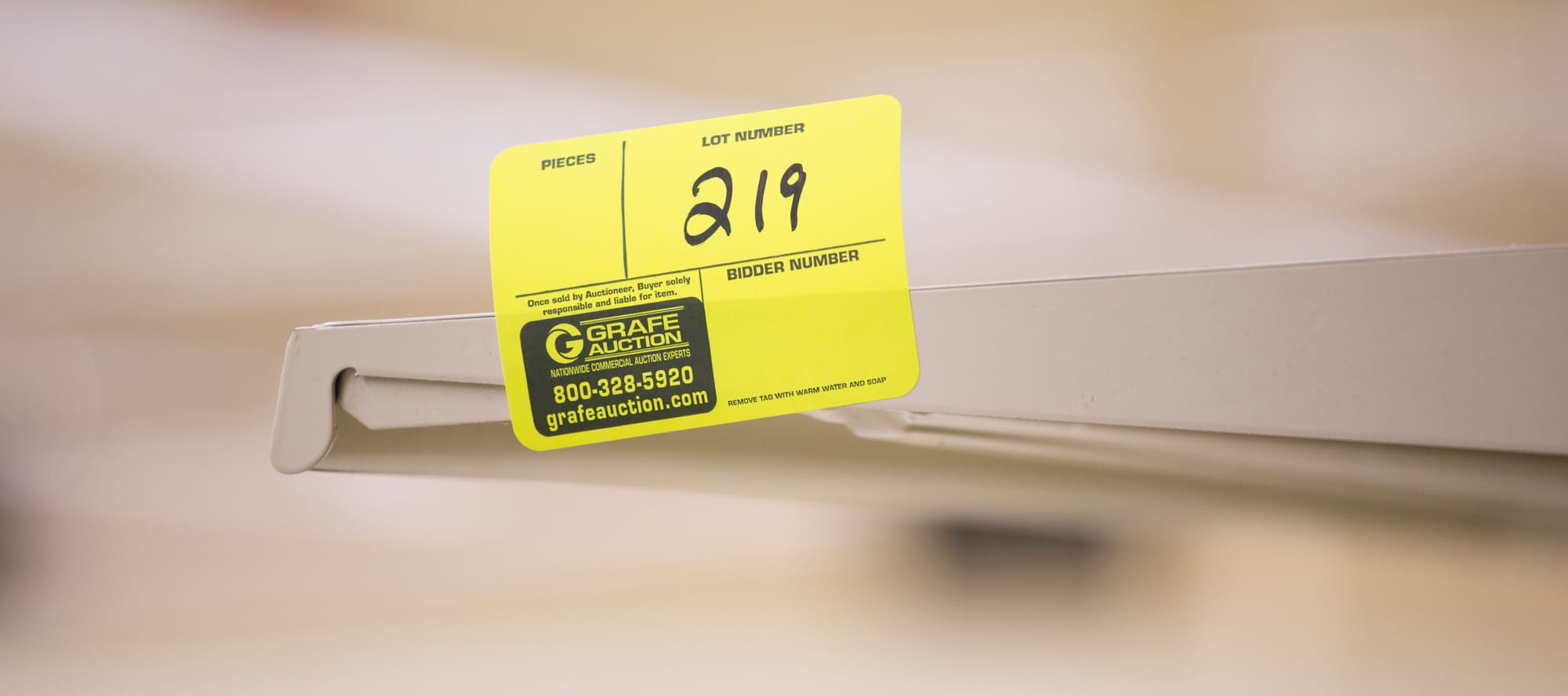
Group similar items together for more efficient cataloging. Restaurant equipment, office furniture, manufacturing tools, and vehicles each require different approaches to valuation and marketing. Don't want to do this? Work with a trusted company like Grafe Auction and we have a dedicated team to do all the cataloging for you.

Professional Appraisal Considerations
For high-value equipment or complex machinery, consider professional appraisal services. This investment pays off when you need accurate valuations for insurance claims, tax purposes, or setting realistic reserve prices.
At Grafe Auction, we provide complimentary evaluations as part of our consultation process, using our extensive database of past sale results to provide accurate market assessments.
Market Research and Pricing
Research current market values using online auction sites, equipment dealers, and industry publications. Look for sold prices, not asking prices, to understand realistic market values. Pay attention to seasonal trends—restaurant equipment sells better in spring when new establishments open, while holiday retail fixtures peak in late summer.
Condition Assessment
Be brutally honest about equipment condition. Items requiring repair should be evaluated based on repair costs versus potential value increase. Sometimes selling "as-is" yields better net returns than investing in repairs.
Choosing Your Sales Method
Auction vs. Private Sale vs. Dealer Buyout
Should you sell business items yourself or hire an auctioneer? Each method has distinct advantages depending on your situation.
Auction Benefits:
- Competitive bidding drives prices up
- Fixed timeline and definitive closure
- Professional marketing reaches qualified buyers
- Handles complex logistics and payments
For many small businesses, the fastest way to liquidate equipment locally is through a structured auction process that combines cataloging, targeted buyer outreach, a defined sale window, secure payment collection, and scheduled pickup. That’s often more efficient than trying to list, negotiate, and coordinate each item one by one through private sales.
Private Sale Benefits:
- Potentially higher prices for unique items
- More control over timing and terms
- Direct relationships with buyers
Selling business items yourself may make sense if you only have one or two pieces and plenty of time to manage listings, buyer questions, payment, and pickup. But when a closure involves multiple assets, store fixtures, shelving, coolers, or a firm deadline, hiring a professional auctioneer is often more efficient and easier to manage.
Dealer Buyout Benefits:
- Immediate payment and quick closure
- No marketing or logistics responsibilities
- Wholesale prices but guaranteed sale
Online vs. On-Site Auctions
Online auctions offer superior reach and convenience for virtually all commercial equipment sales. The broader buyer pool accessible through online platforms consistently drives more competitive bidding than geographically limited on-site events. At Grafe Auction, we conduct primarily online auctions because they deliver better results for our clients. Our online platform reaches our database of over 260,000 active bidders worldwide, creating competition that on-site auctions simply cannot match.
We reserve on-site auctions primarily for real estate sales where property viewing is essential. For equipment, the online format provides buyers with detailed photography, comprehensive descriptions, and the convenience of bidding from anywhere, resulting in higher participation and better final prices.
Specialized vs. General Auctions
Specialized auctions targeting your industry typically achieve higher prices because they attract qualified buyers who understand equipment value. A restaurant equipment auction draws restaurateurs and foodservice dealers willing to pay premiums for quality pieces.
General business liquidation auctions offer convenience and broader appeal but may not maximize value for specialized equipment.


Inventory Liquidation vs. Fixture Auction
An inventory liquidation typically focuses on the merchandise or stock a business has on hand, such as packaged goods, parts, or resale items. A fixture auction focuses on the business-use assets that support operations, such as shelving, coolers, display cases, counters, office furniture, or equipment.
In some closures, both are sold together. In others, it makes more sense to separate them based on buyer type, asset condition, and how the business needs to clear the space.


Marketing and Buyer Attraction
Professional Marketing Approach
Effective equipment marketing requires reaching the right buyers through appropriate channels. Trade publications, industry websites, and specialized dealer networks often prove more valuable than general advertising.
Professional auction companies maintain extensive databases of qualified buyers, segmented by industry and equipment type. This targeted approach generates more competitive bidding than broad-market advertising.
Online Platform Optimization
Equipment listings require SEO optimization to appear in buyer searches. Include manufacturer names, model numbers, capacity specifications, and industry-specific keywords in descriptions.
High-quality photos and detailed specifications improve listing performance significantly. Mobile-optimized presentations are essential since many buyers now browse on mobile devices.
Buyer Database Development
Established auction companies have spent years developing buyer relationships. These databases include:
- Equipment dealers and resellers
- Industry professionals seeking specific items
- International buyers expanding markets
- Investors and entrepreneurs starting new ventures
At Grafe Auction, our database includes over 260,000 active bidders across multiple industries, ensuring broad exposure for every auction item.
Logistics and Operations Management
Removal and Transportation Coordination
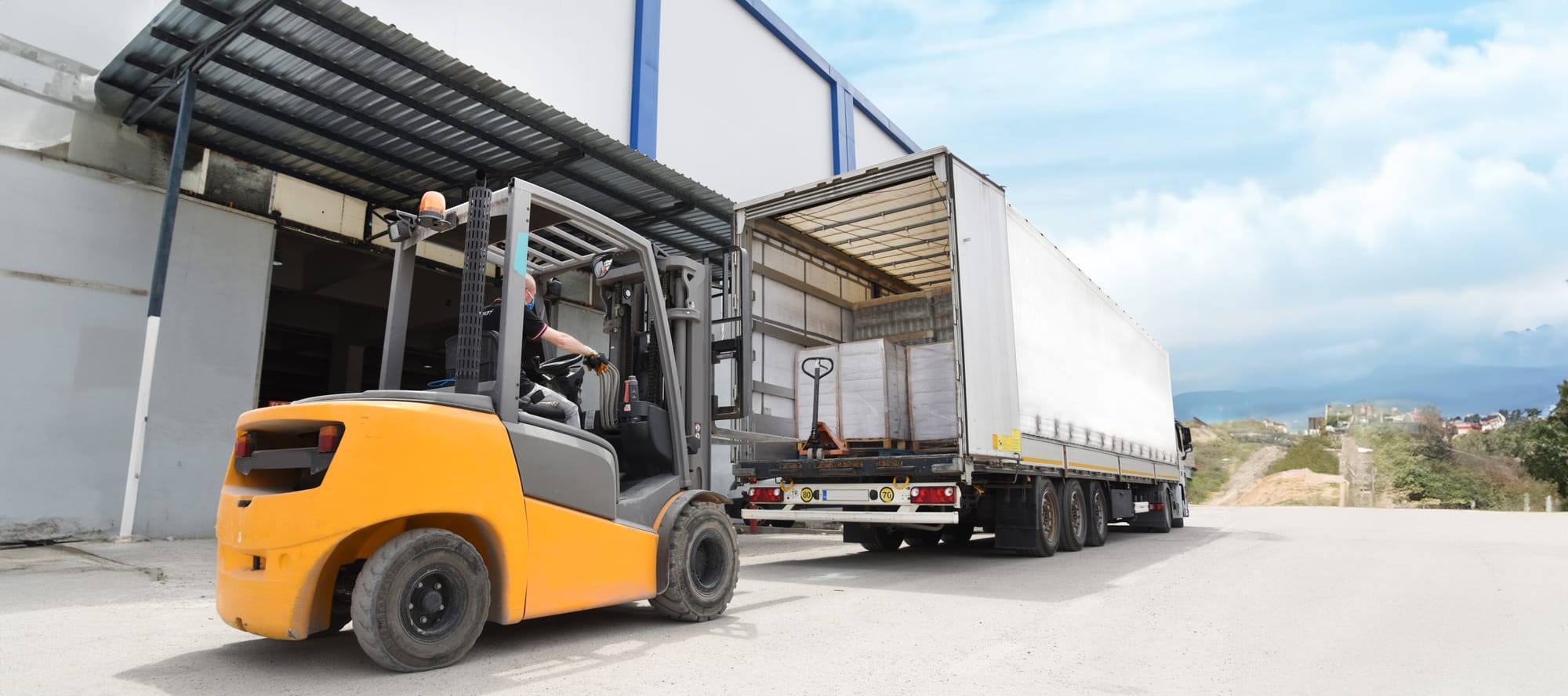
Plan equipment removal carefully to minimize disruption and costs. Create clear timelines for buyer pickup, and establish protocols for coordinating multiple buyers.
Professional auction companies typically handle these logistics, including:
- Coordinating buyer appointments
- Supervising equipment disconnection
- Managing site security during removal
- Handling disputes over item condition or access

Payment Processing and Security
Establish secure payment procedures before any sale begins. Accept only verified funds, and don't release equipment until payment clears completely.
Auction companies provide secure payment processing, buyer verification, and collection services, reducing your financial risk significantly.
Site Access and Security
Maintain site security throughout the sale process. Limit access to serious buyers only, and accompany all visitors during equipment inspections.
Consider professional security services for high-value equipment or extended sale processes, especially if the facility will remain unoccupied.
Documentation and Title Transfer
Prepare bills of sale, ownership transfer documents, and any required certifications or permits. Maintain records of all transactions for tax and legal purposes.
Important: Some equipment types (vehicles, specialized machinery, regulated equipment) require specific documentation for legal ownership transfer. Professional auction companies handle these requirements routinely.
Working with Professional Auction Companies
When hiring a commercial auction company, business owners should expect more than a bidding platform. A full-service auction company should help with asset evaluation, photography, cataloging, sale planning, buyer marketing, payment processing, reporting, and post-sale logistics. Clear communication, realistic timelines, and transparent fee structures should be part of that relationship from the start.
Selecting the Right Partner and Setting Expectations
If you haven't already chosen an auction company, our recent guide on how to choose the right auction company for your business liquidation covers the selection process in detail, including credentials, service levels, and fee structures to evaluate.
Once you've selected a professional auction company, focus on clear communication and realistic expectations. Quality companies should provide comprehensive asset evaluation, professional photography and cataloging, multi-channel marketing campaigns, secure payment processing, and complete logistics coordination. Expect regular updates throughout the process and detailed post-sale reporting.
At Grafe Auction, our full-service approach includes all these elements under one transparent fee structure, eliminating surprise costs while maximizing your equipment value
Conclusion and Action Steps
Successfully selling equipment from a closed business requires careful planning, realistic expectations, and often professional guidance. The difference between a successful liquidation and leaving money on the table usually comes down to preparation, timing, and choosing the right sales approach for your specific situation.
Every business closure situation is unique, but following these best practices consistently improves outcomes. Whether you're closing a single location or managing a complex multi-site liquidation, professional auction services can transform a challenging process into a valuable opportunity.
Ready to Turn Your Business Equipment Into Maximum Value?
Contact Grafe Auction for a complimentary consultation and asset evaluation. Our team of industry specialists will assess your equipment, recommend optimal timing, and create a customized strategy to maximize your returns.