
2025 Brewery Equipment Auction Market Report: Analysis of 2,000+ Lots Sold
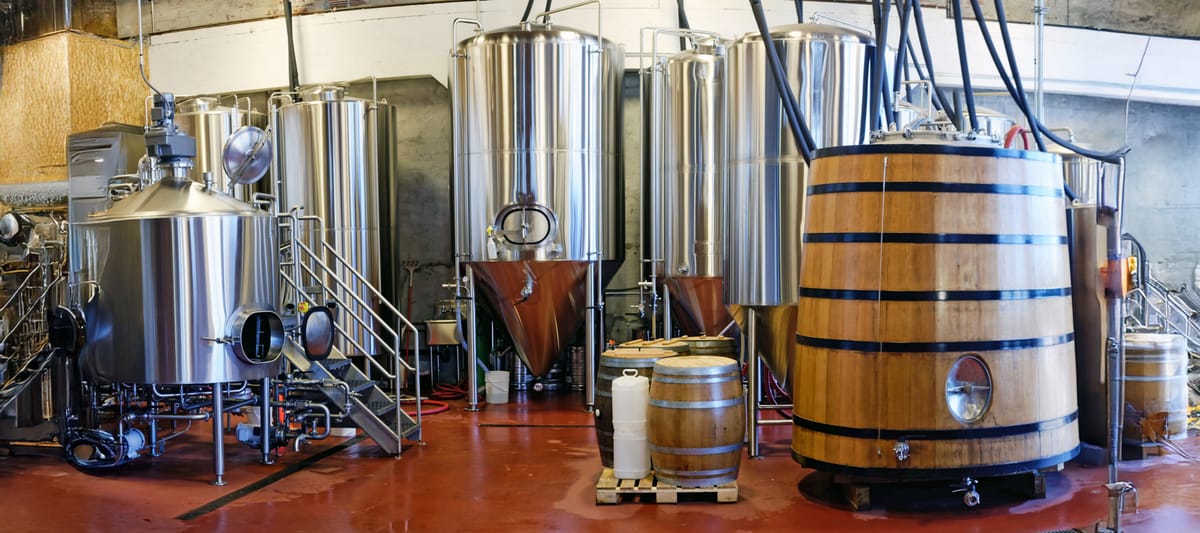
This year, we handled six craft beverage auctions: five breweries and one kombucha fermentary. Together, these sales moved over 2,200 lots of equipment, from compact 3-barrel startup systems to commercial 40-barrel production brewhouses. The data from these auctions tells an interesting story about what brewery equipment is really worth and what buyers are willing to pay for it.
If you're thinking about buying used brewing equipment or planning to sell, this report gives you real numbers from actual sales, not guesses or estimates.
The Market Snapshot: Strong Demand Across the Board
Let's start with the big picture. Here's what happened across all six auctions:
- 2,221 total lots offered for sale
- 2,009 lots sold (that's a 90.5% sell-through rate)
- 466 unique bidders participated
- Only 212 items didn't sell (less than 10%)
That 90% sell-through rate? It's impressive. It tells us buyers are actively looking for quality brewery equipment, and when they find it, they're ready to bid.
The bidder numbers varied quite a bit by auction size. Our largest sale drew 137 unique bidders, while our smallest attracted 27. Generally speaking, bigger facilities with production-scale equipment brought more buyers to the table. But even our smallest auctions saw competitive bidding on quality items.
One thing became crystal clear: when you have good equipment that's well-presented and properly documented, buyers show up ready to compete for it.
Brewhouse Systems: The Headliners
Complete brewhouse systems are always the stars of brewery auctions. This year, we sold 11 complete systems, with prices ranging from $6 all the way up to $47,500.
That top sale, a DME 10-barrel brewing system, was the single highest-selling item across all six auctions. It included everything: the jacketed mash tun, kettle, controls, platform, and turnkey configuration. DME's reputation for quality equipment and solid service support made buyers confident enough to bid aggressively.
Right behind it, an American Beer Equipment 7-barrel 2-vessel brewhouse sold for $13,000. The 7-barrel capacity hits a sweet spot for many breweries; big enough for real production but not so large that you need a massive facility. The platform and control panel came with it, which added real value.
We also saw a 15-barrel NSI Newlands system go for $7,500 and a 40-barrel JVNW system sell for $4,000. The 40-barrel system's lower price probably reflected its size, larger systems need buyers with serious floor space and infrastructure.
What did we learn? Buyers love 7-10 barrel systems most. Complete packages with controls, platforms, and documentation commanded premium prices. The more turnkey the system, the more buyers were willing to pay.
For buyers, budget $4,000-$15,000 for a functional production brewhouse depending on size and completeness. For sellers, that extra effort to include operating manuals and keep systems complete really pays off.

Fermentation Tanks: Where the Real Action Happened
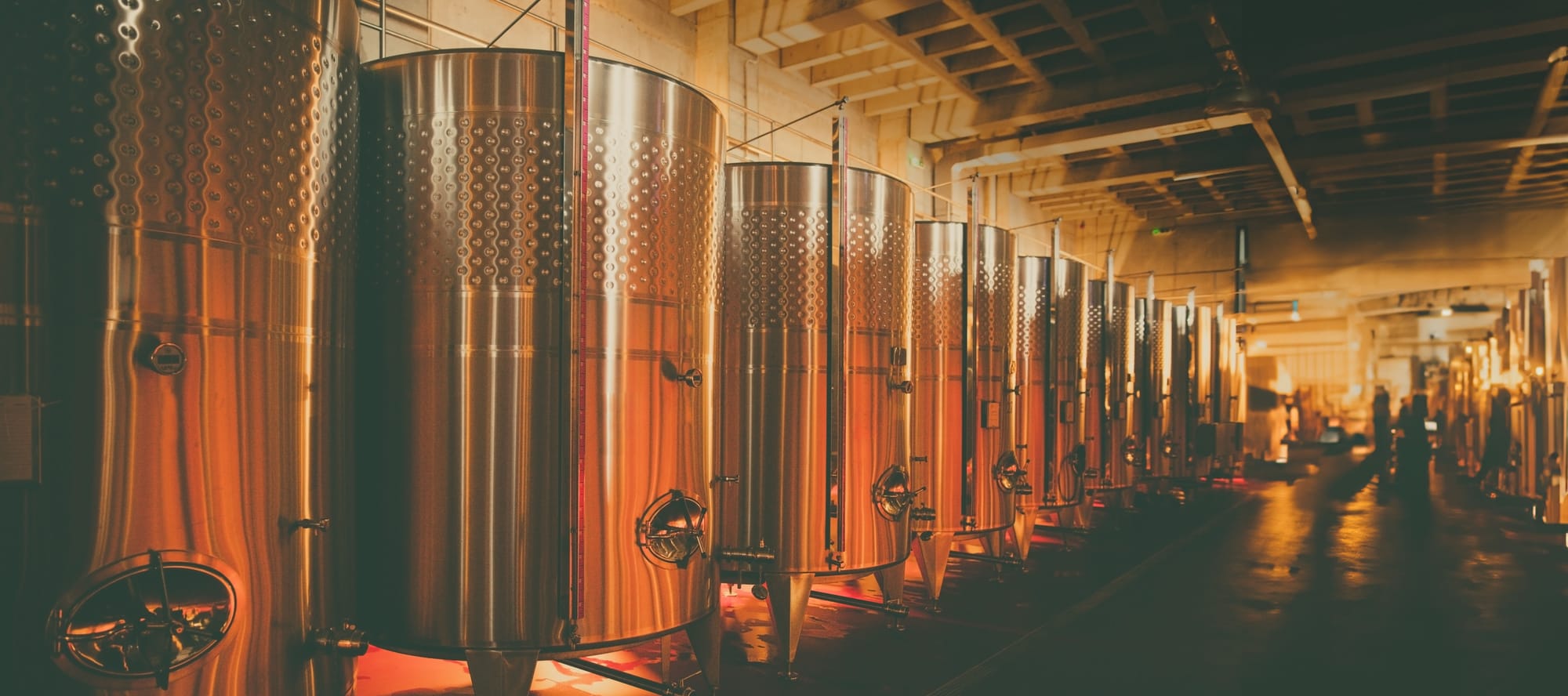
If brewhouses are the showpieces, fermenters are the production workhorses. We sold 45 fermentation tanks this year, which was more than any other major equipment category.
The pricing was remarkably consistent:
- Average price: $3,029
- Median price: $2,750
That median number tells us something important: buyers regularly paid $2,500-$3,000 for quality fermentation capacity. It's become the market standard.
But here's where it gets really interesting. Barrel capacity made a huge difference in price:
- 7-barrel fermenters averaged $5,067 (9 units sold)
- 10-barrel fermenters averaged $9,125 (10 units sold)
- 15-barrel fermenters averaged $5,750 (3 units sold)
- 20-barrel single sale: $5,000
Notice that 10-barrel tanks commanded the highest average? That's your sweet spot. It's the industry standard capacity, and we saw the most competitive bidding in this range. Ten different 10-barrel fermenters sold, and buyers clearly knew what they wanted.
The highest-priced fermenter? A $7,500 NSI Newlands 15-barrel system. Multiple DME 10-barrel conical fermenters consistently sold for $5,000 each. American Beer Equipment's 7-barrel glycol-jacketed tank brought $5,500.
What made fermenters valuable? Three things: glycol jacketing (temperature control is non-negotiable), conical design (straight-wall tanks didn't attract much interest), and complete valve assemblies with temperature probes. Buyers understood these features mattered and bid accordingly.
If you're shopping for fermenters, plan on $2,500-$5,000 for a 7-barrel tank and $5,000-$10,000 for a 10-barrel. The premium for 10-barrel capacity reflects real buyer demand.

Packaging Equipment: Where Efficiency Costs Money
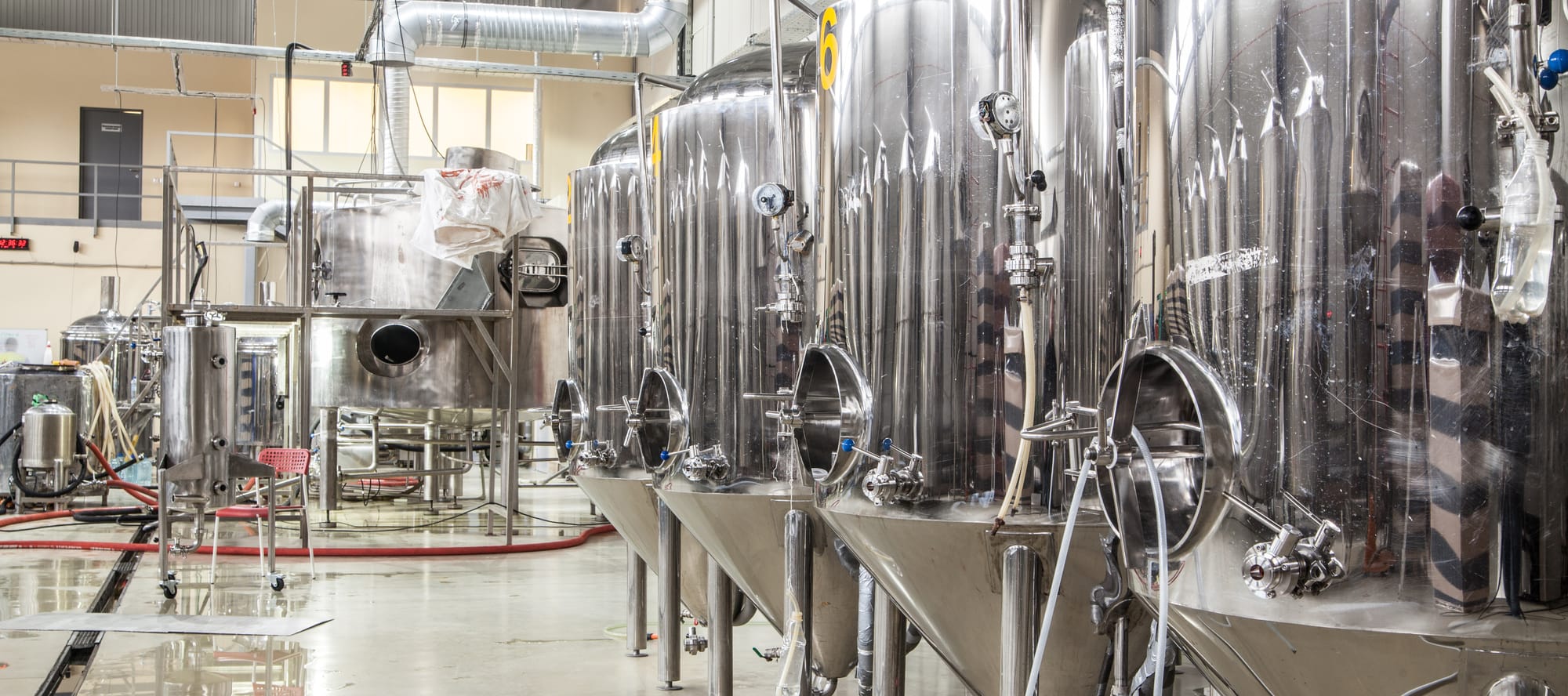
Only seven canning or bottling systems sold across all our auctions. But here's the thing: they commanded serious prices. The average was $6,186, with a median of $4,000.
The top sale? A $17,000 nano-canning machine. This commercial-grade system was compact enough for small breweries but capable of real production. For a brewery trying to bring canning in-house, this was the golden ticket.
We also sold a Wild Goose Canning WGC-100 for $13,000. If you know craft brewing, you know Wild Goose is the name in canning equipment. This 86-inch portable unit could handle serious volume.
A Cask Global Canning Solutions 5-head filling line went for $7,500. Multi-head systems offer production efficiency. More heads mean more cans per minute, which translates directly to labor savings.
Why did packaging equipment command these prices? Simple economics. New automated canning systems range from $25,000 for basic setups to $100,000+ for fully automated production lines. A used system at $13,000 offers 50-75% savings compared to new equipment. It's the bottleneck in production—you can't sell what you can't package.
Buyers came from multiple states specifically for this equipment. The bidding was intense, professional, and informed.

Support Systems: The Backbone of Brewing
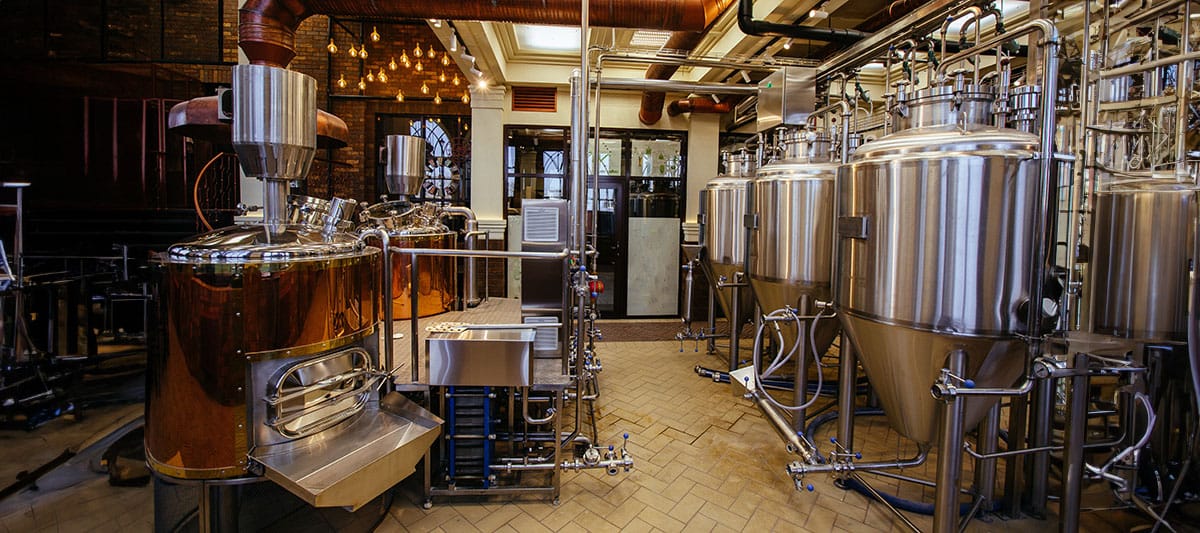
Beyond the headline equipment, we moved 54 walk-in coolers, 45 glycol systems, and 35 tap systems. These might not be glamorous, but they're absolutely essential.
Walk-in coolers showed a wide range based on condition and size. Functional units ranged from around $300 to $10,000, while non-working equipment sold for parts value only. The top sale—a massive 22'x12'x9' Norlake foam panel cooler—went for $10,000. That's 264 square feet of temperature-controlled storage. A 20'x24'x10' Carroll Coolers unit brought $6,000. Both had quality brands and commercial-grade construction.
Glycol systems showed remarkably consistent pricing. The median was $2,100, and buyers reliably paid around $2,000 for complete systems with controllers. A Cold Shot Chiller topped the category at $6,000. You can't make consistent beer without temperature control, and buyers understood that.
Tap systems ranged widely, but a complete 12-head brass tap system with glycol lines sold for $1,800. Another 12-head system with electric glycol chiller brought $2,300. Multi-head systems (8-12 taps) with integrated cooling were clearly more valuable than basic setups.
One note for buyers: budget about 15-20% of your total equipment spend for these support systems. They're not optional—they're essential infrastructure.
Kegs and Volume Items: The Numbers Game
Individual items might seem small, but they add up fast. We sold 162 kegging-related items this year.
The price range tells the story: $4 to $12,000. At the top? A $12,000 iDD Squire Plus 2 keg washing system. This was actually the single highest-priced item in our entire year of auctions—yes, even more than the $47,500 brewhouse when you consider it was specifically kegging equipment. Automated washing saves massive labor hours and ensures consistency.
A Fillmore automated keg washer sold for $5,000. The pattern is clear: automation commands premium pricing.
But individual kegs? Those ran $27-$55 each, depending on size and branding. Here's the math that matters: if you need 100 kegs for rotation (not uncommon), you're looking at $3,000-$5,000 just for your keg fleet.
We also sold tons of glassware ($0.60-$4 per glass), tap handles ($5-$75 each), furniture ($140-$800 per set), and bar equipment ($300-$2,300 for complete packages).
One auction featured 469 lots with a 96.8% sell-through rate. Small items collectively matter. Many buyers walked away with 5-20 lots, building complete tasting room setups or stocking their breweries piece by piece.

What Sold and What Didn't
Here's good news: 90.5% of items found buyers. Only 212 lots out of 2,221 didn't sell.
What sold consistently?
- Complete systems with all components
- Name brands (DME, American Beer Equipment, Wild Goose, Norlake, True)
- 7-10 barrel capacity range
- Equipment with operating manuals and service records
- Clean, well-presented stainless steel
What struggled?
- Incomplete systems missing critical parts
- Equipment with obvious condition issues
- Unusual or proprietary configurations without documentation
- Outdated technology when modern options were available
Our best-performing auction had just 4 passes out of 469 lots (0.9%). Our most challenging saw 56 passes out of 186 lots (30%). The difference? Presentation, documentation, and equipment condition.
The lesson for sellers: Professional photography, detailed descriptions, and complete documentation make a measurable difference. Clean equipment photographs better and generates more buyer confidence than grimy, poorly-lit photos.

What It All Means
The 2025 brewery equipment auction market proved remarkably healthy. A 90.5% sell-through rate shows strong buyer demand. Competitive bidding on quality equipment shows the market values well-maintained gear properly.
For buyers planning purchases:
- Set your capacity needs before you start bidding
- Research equipment brands and parts availability
- Remember to factor in removal, shipping, installation, and refurbishment costs (budget 10-20% extra)
- Attend previews when possible—photos don't show everything
- Stick to your maximum bid—auction fever is real
For sellers planning liquidations:
- Professional presentation matters enormously
- Complete documentation adds 10-15% to final prices
- Clean equipment before photos—it makes a visible difference
- Keep systems complete rather than parting them out
- Work with experienced auction professionals who understand this market
The data from 2,221 lots proves that quality brewery equipment maintains strong value. Complete systems with documentation consistently outperformed. The 7-10 barrel range remains the market sweet spot. And buyers nationwide are actively looking for good equipment at fair prices.
Ready to Buy or Sell Brewery Equipment?
We're conducting one more brewery auction before year-end. Whether you're shopping for equipment to start or expand your operation, or planning a liquidation and want to maximize your returns, our team brings 65+ years of auction experience to every sale.
View our upcoming brewery and beverage equipment auctions or contact us for a complimentary consultation about your specific equipment needs or liquidation planning.
Our detailed cataloging, professional photography, and extensive buyer network connect quality equipment with qualified buyers nationwide. Let's talk about how we can help you achieve your goals.